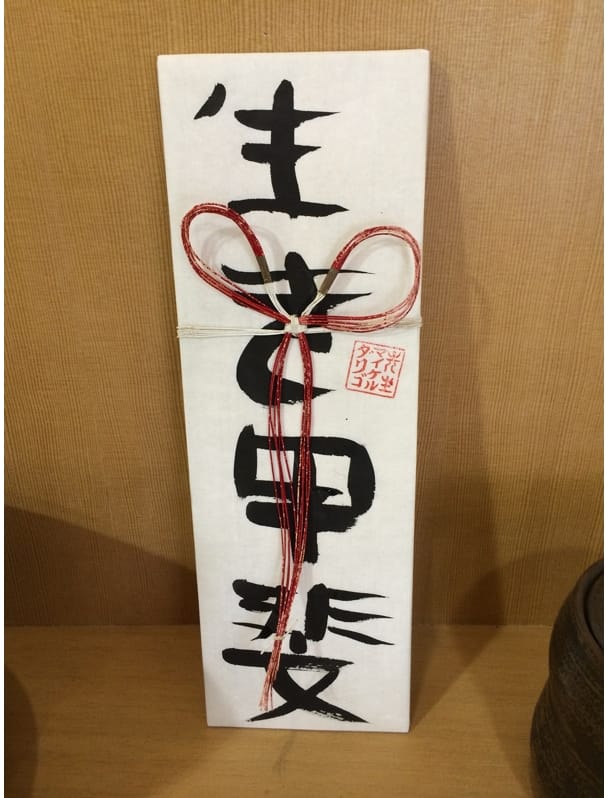
Where does the shikishi board that holds the message of Kagami Biraki come from? This is an in-depth look behind the scenes of the making of the board itself.
Everyone who has attended a Kagami Biraki event at our dojo or anyplace else in the world has seen the formal presentation of the "message" of that year's Kagami Biraki. It's a special moment, and helps mark the significance of the event – and it of course leads to the Kagami Biraki lecture that usually follows the workout.
But where does that board come from?
We'll examine the process in detail, but here's the bottom-line: every shikishi board is hand-made, strictly for the occasion of that year's Kagami Biraki.
Shikishi or Ofuda?
Let's define some terms first. A shikishi 色紙 - しきし board is generally paper (washi 和紙) that is backed by a more rigid material – usually a thick cardboard.
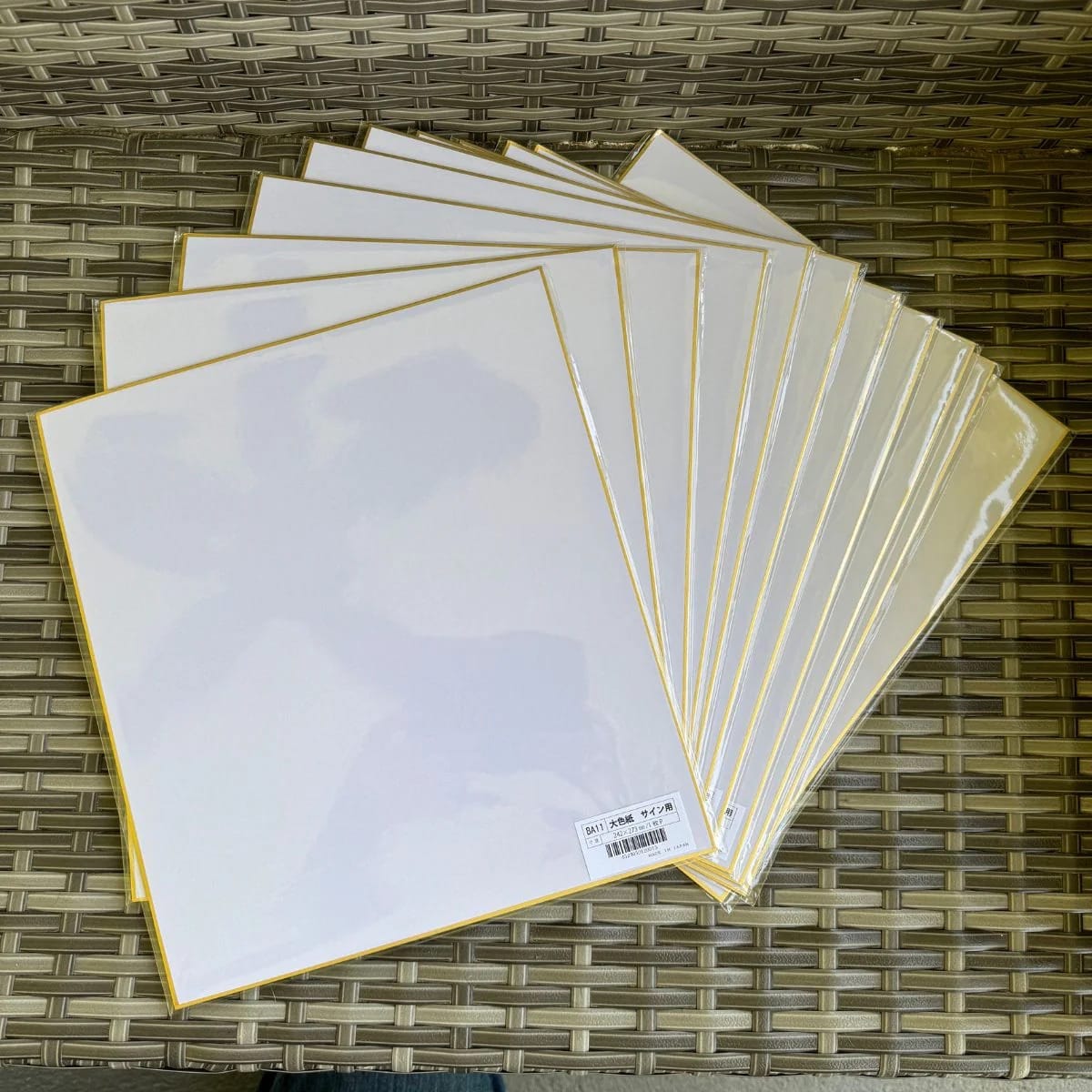
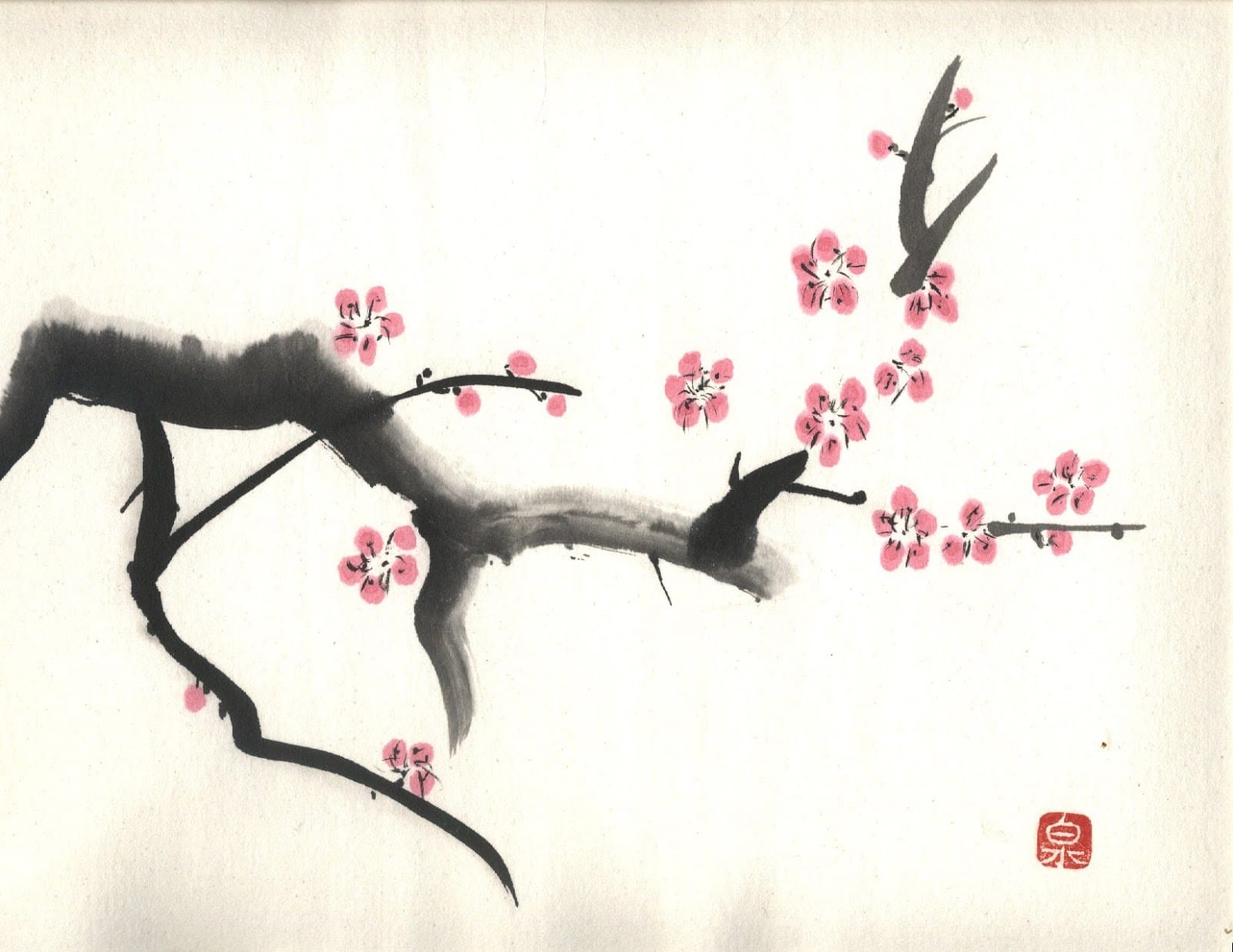
These boards are typically used for a variety of purposes, including creating shodo or sumi-e drawing. (sumi-e is the art of ink drawing; usually only with a black ink, but many artists also use another one or two primary colors, such as red).
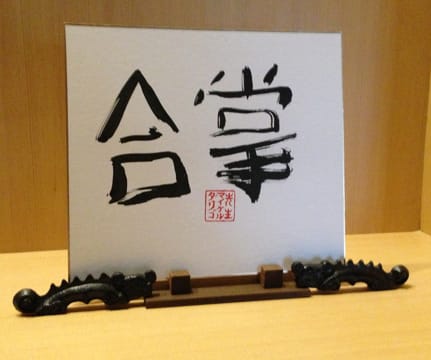
The purpose of sumi-e is to capture the essence of objects, emphasizing simplicity, and the spirit of nature through variations in ink and the brush strokes employed.
Shikishi or Ofuda?
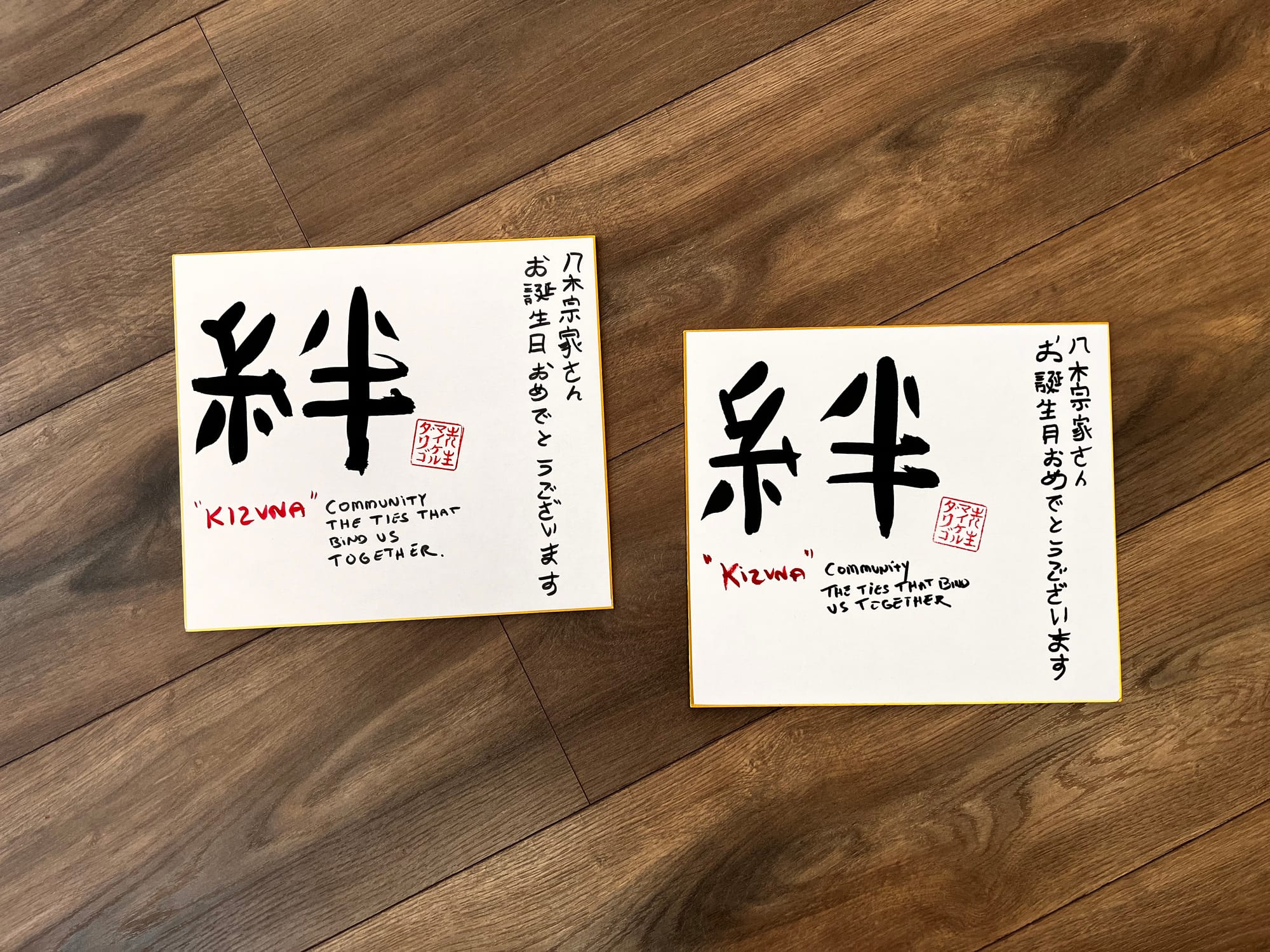
Shikishi boards perform many roles in the dojo: they can be used to display important concepts within karatedō; they can be issued on special occasions to commemorate an event of note; and they sometimes are used to create a message for a member of the dojo community to honor an achievement (read about an example of this here) or in sympathy and support during a time of struggle.
However, there is a special kind of shikishi board that is constructed differently. These are issued to commemorate special occasions or deliver special messages, and are called ofuda お札.
An ofuda can be considered a talisman or have other religious connotation. However it's worth mentioning here because the shikishi board used for Kagami Biraki is constructed similar to that of an ofuda.
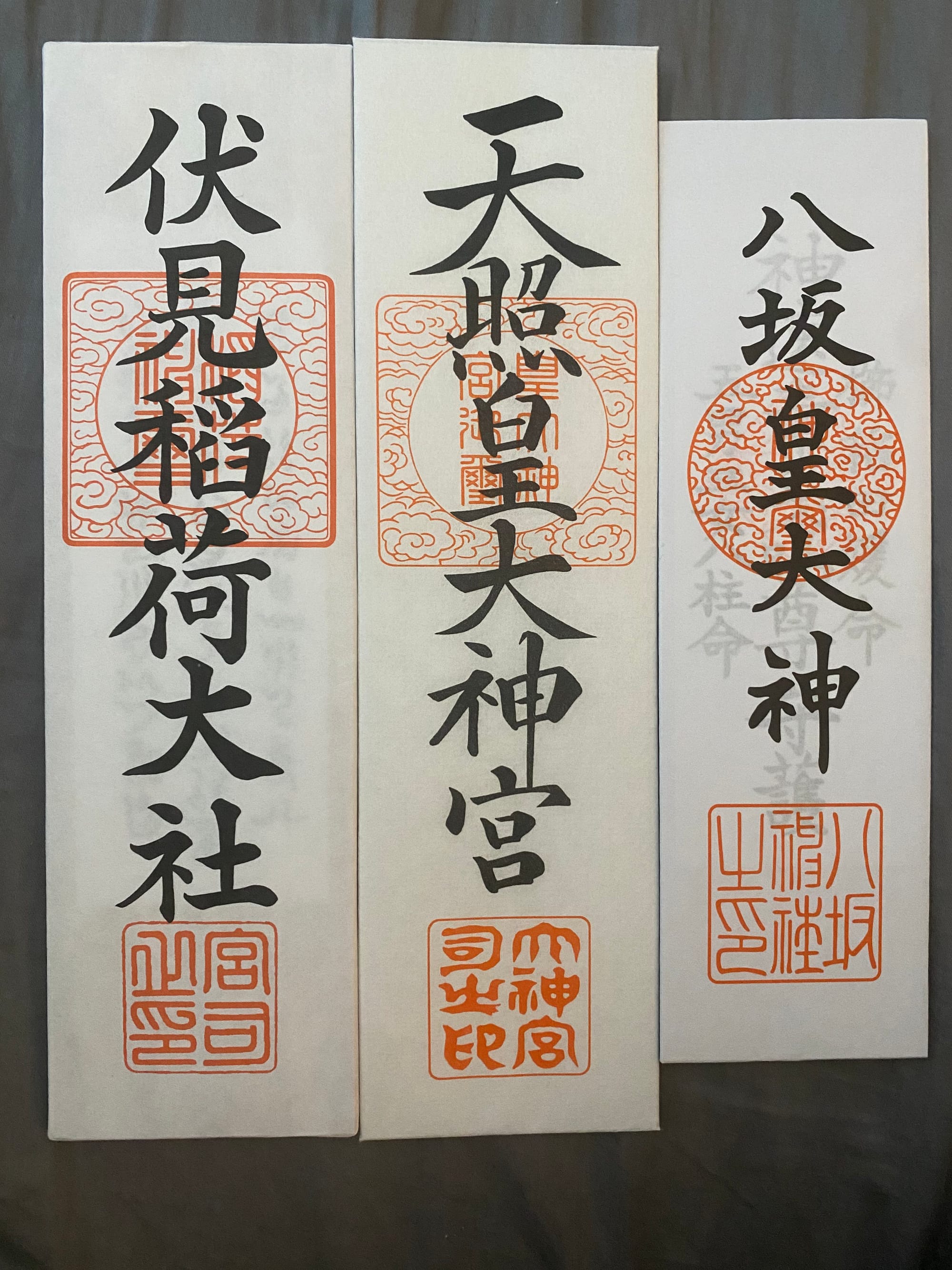
An ofuda differs from a standard shikishi board in this manner: instead of paper (washi) being backed by a stiffer cardboard backing, an ofuda is constructed by wrapping washi around a wooden board that can have a varying thickness (there are some ofuda that are used in volume to raise funds for temples, etc., that are wrapped around a cardboard core.)
There are non-religious uses for ofuda, but generally they are restricted to presenting shodo (never sumi-e) of significance, or for a significant occasion.
For a dojo, the most common of these uses is to deliver the Kagami Biraki message for the year.
Realistically, however, the shodo presented in this manner is often referred to as a shikishi board; it can also be called an ofuda, but that is less common.
The Paper
The process starts with rolls of Oguni Fudagami washi – a special paper made from 100% mulberry bush fibers ("kozo") with a weight of about 58 gsm. The washi is medium-heavy, pretty strong, and has a sophisticated texture because of the mulberry fibers that make up the paper itself.
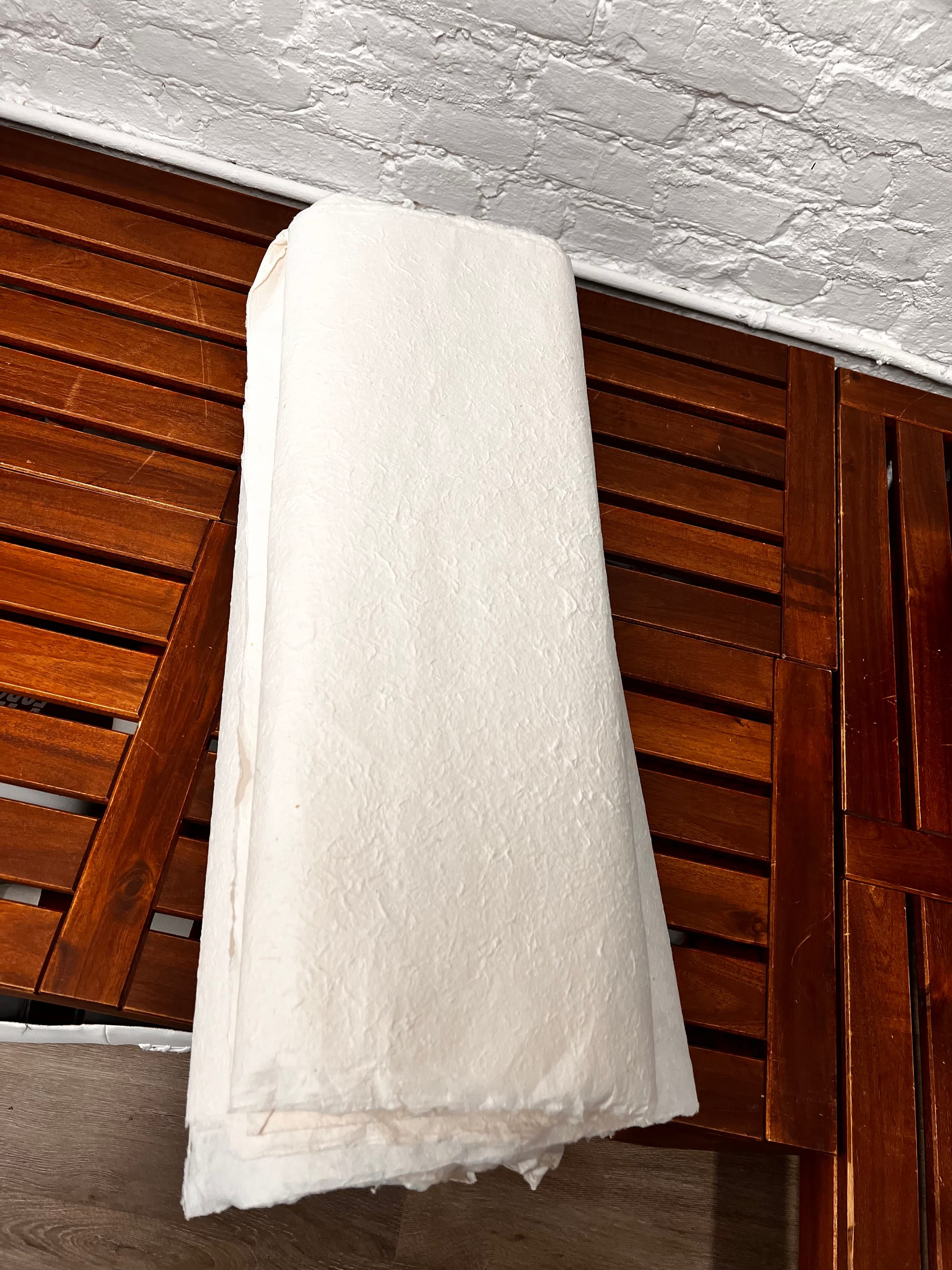
There are different grades and types of paper that can be used for shikishi boards, but generally all the papers have between 70% and 100% kozo content, and are "cooked" in soda ash and then set to dry on stainless steel sheets or drums.
Making the Shikishi Board
The boards used for Kagami Biraki always have a wooden core. A simple piece of pine wood is cut to the approximate size needed.
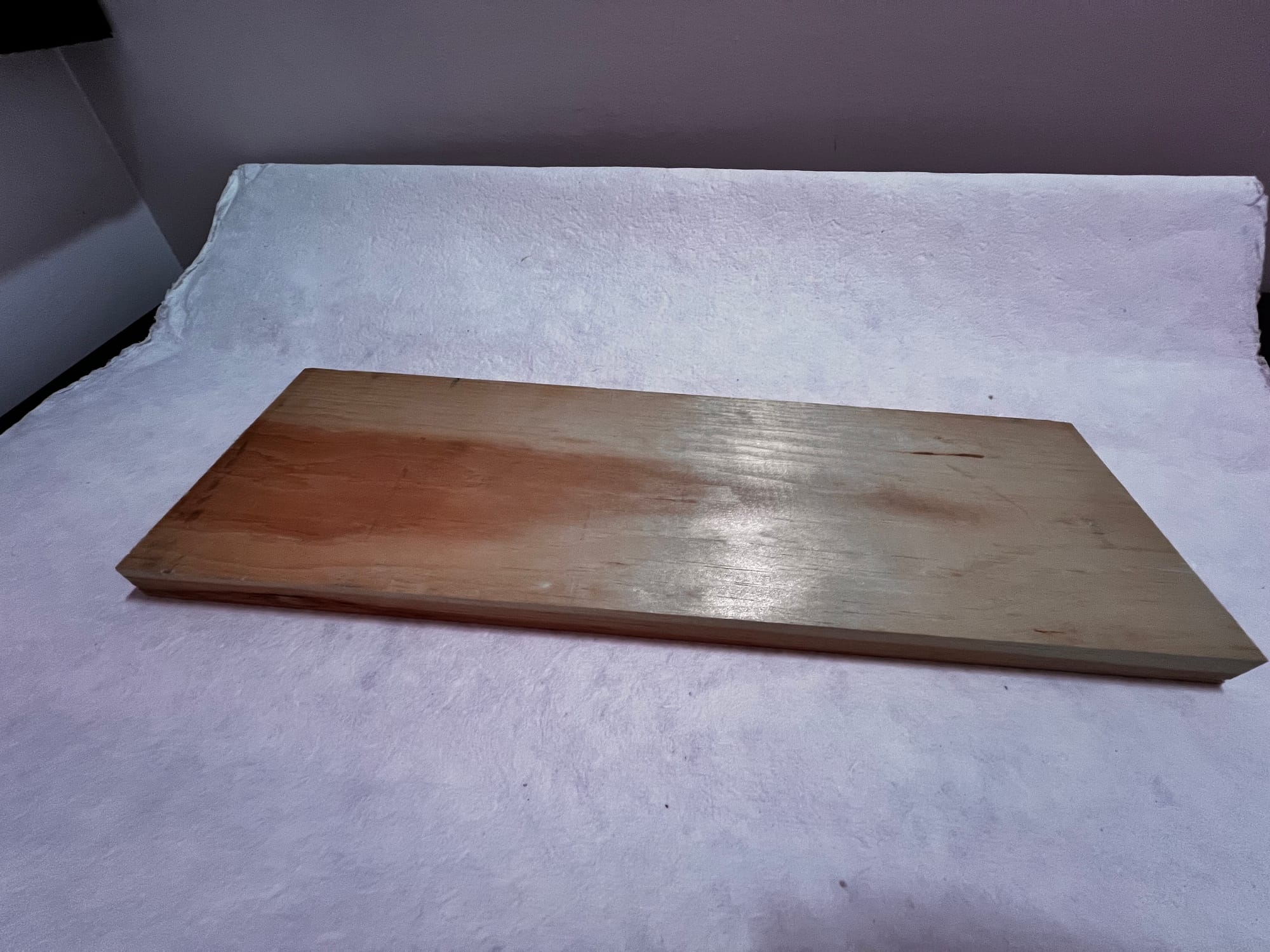
Once the board is laid on a piece of washi, the washi is then wrapped around the board and excess is cut away.
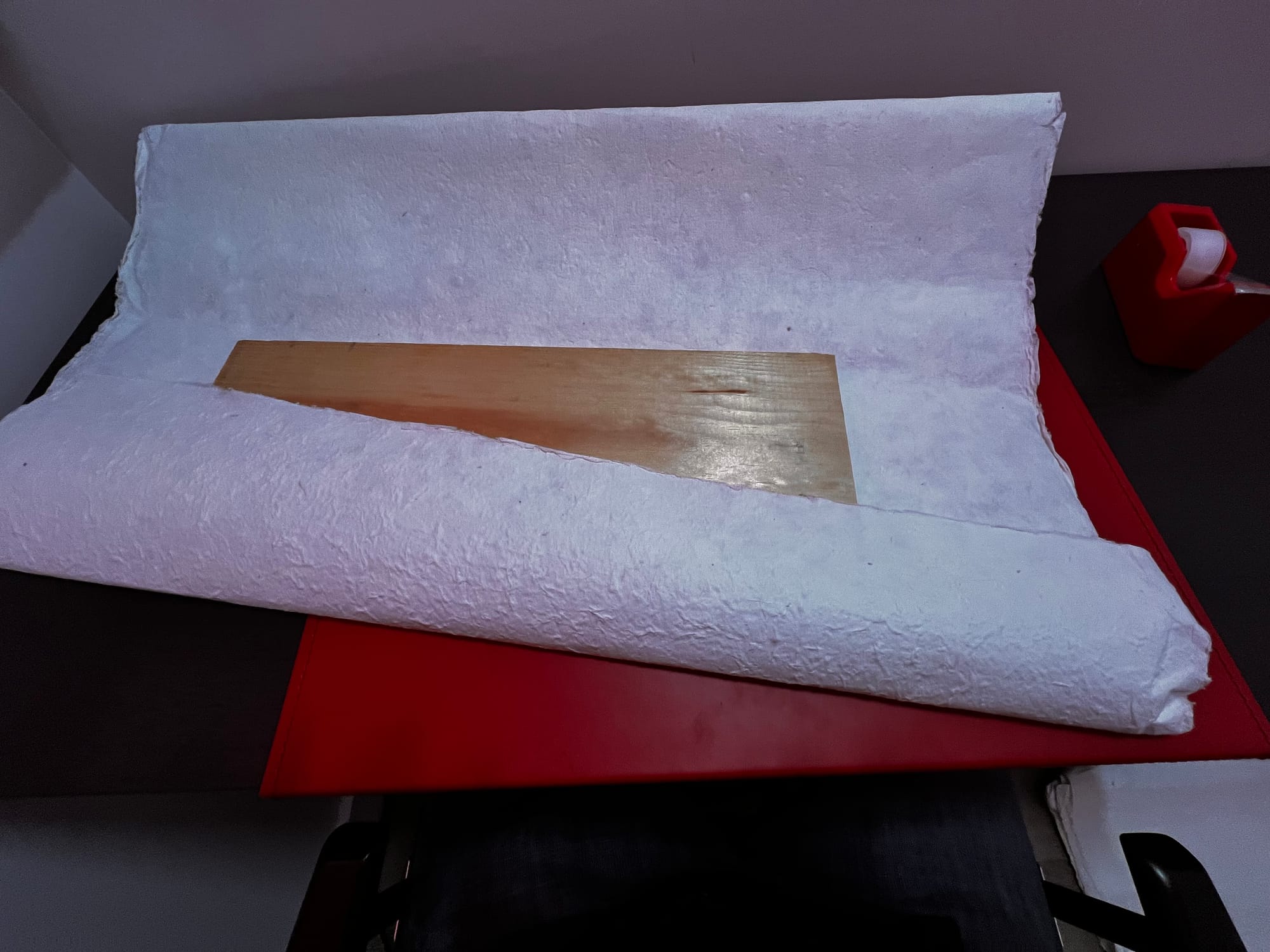
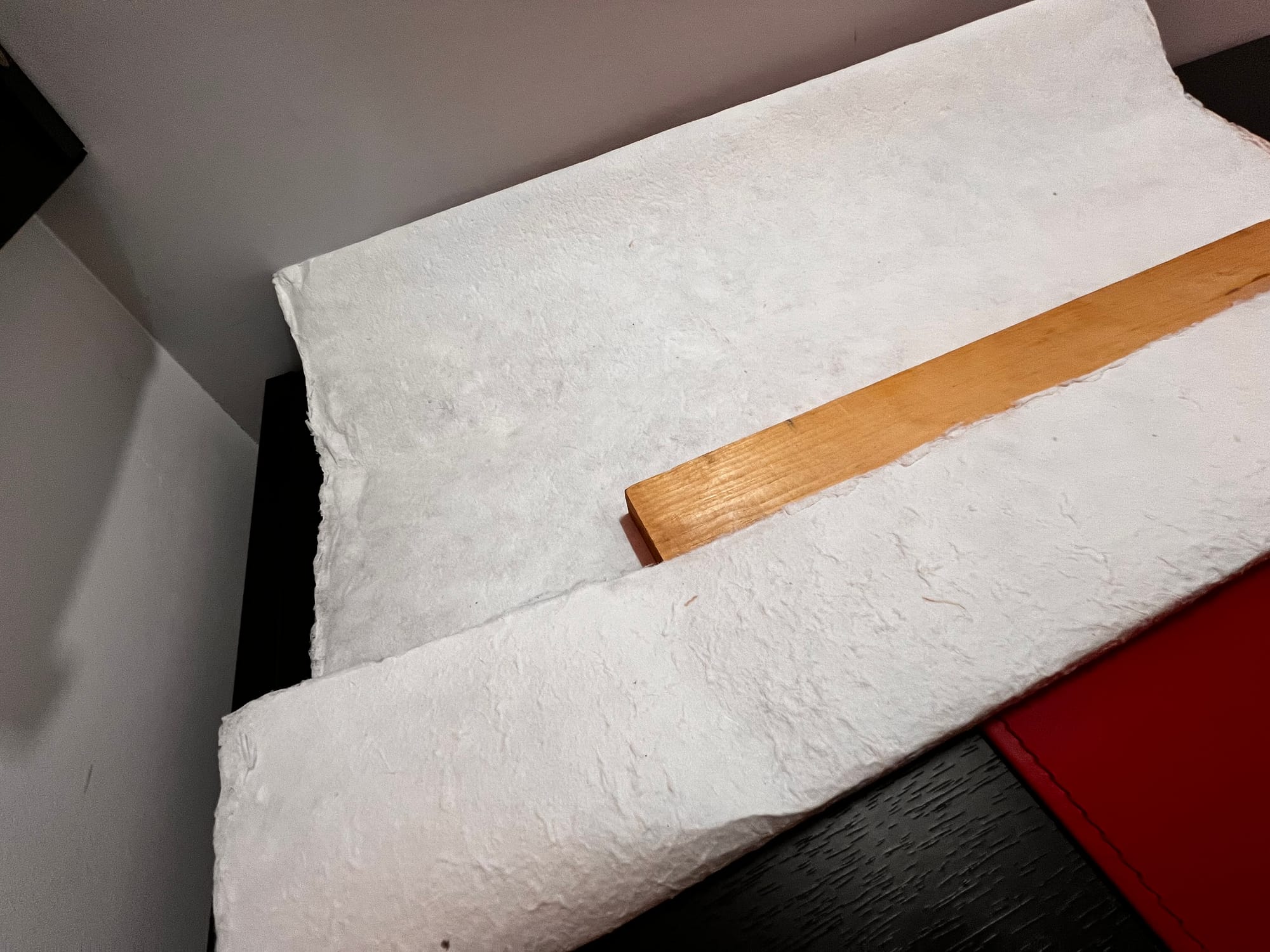
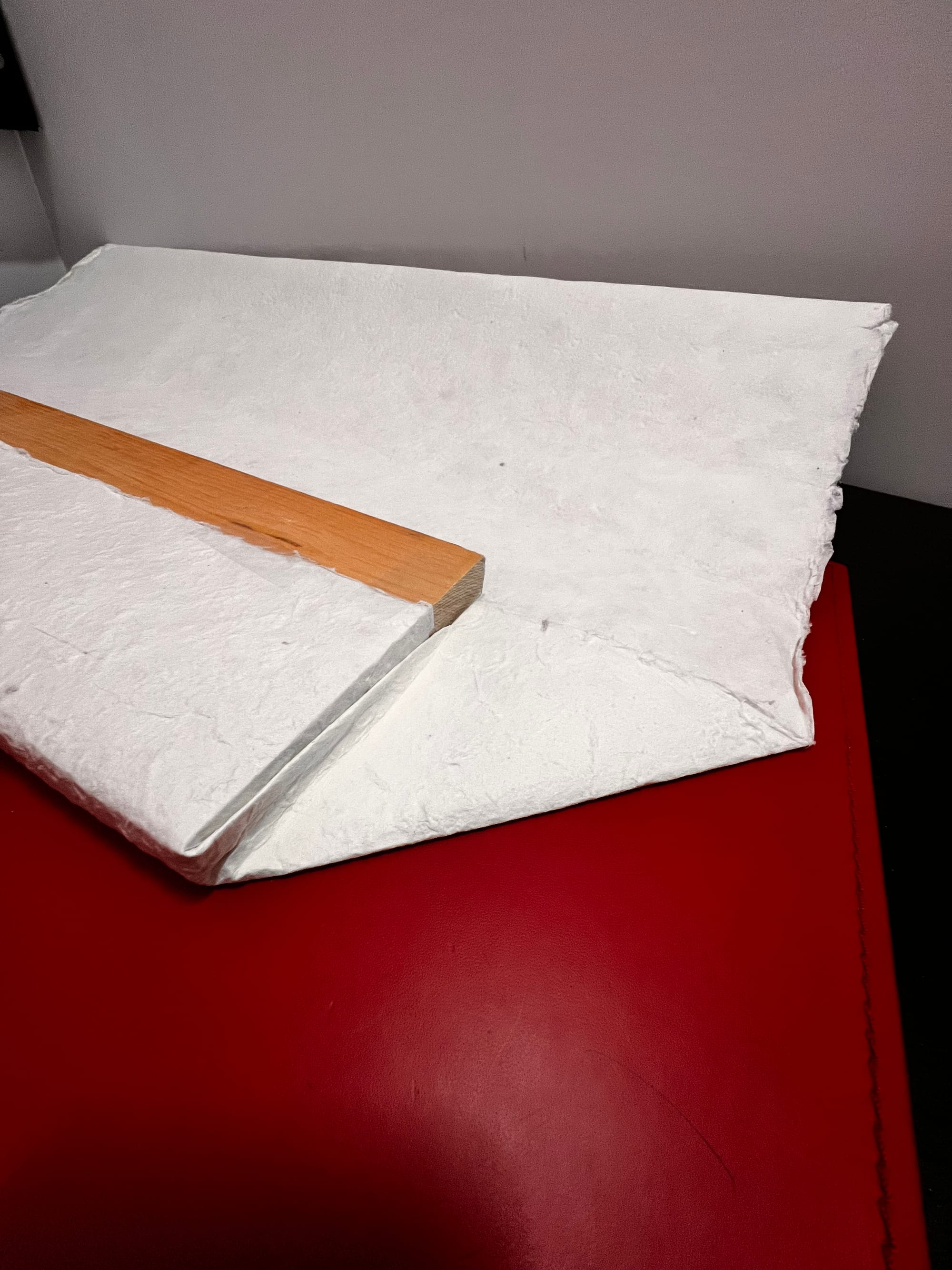
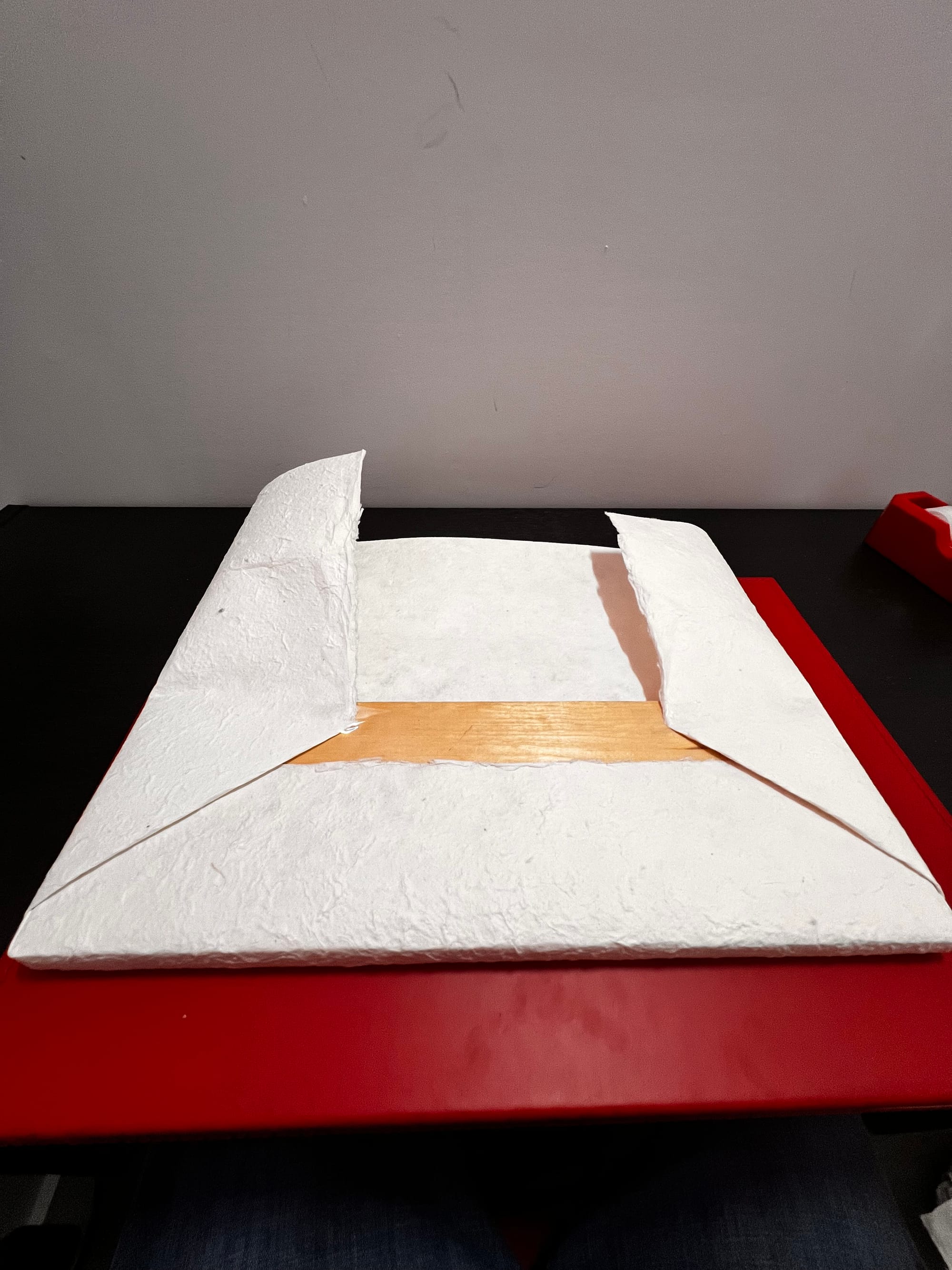
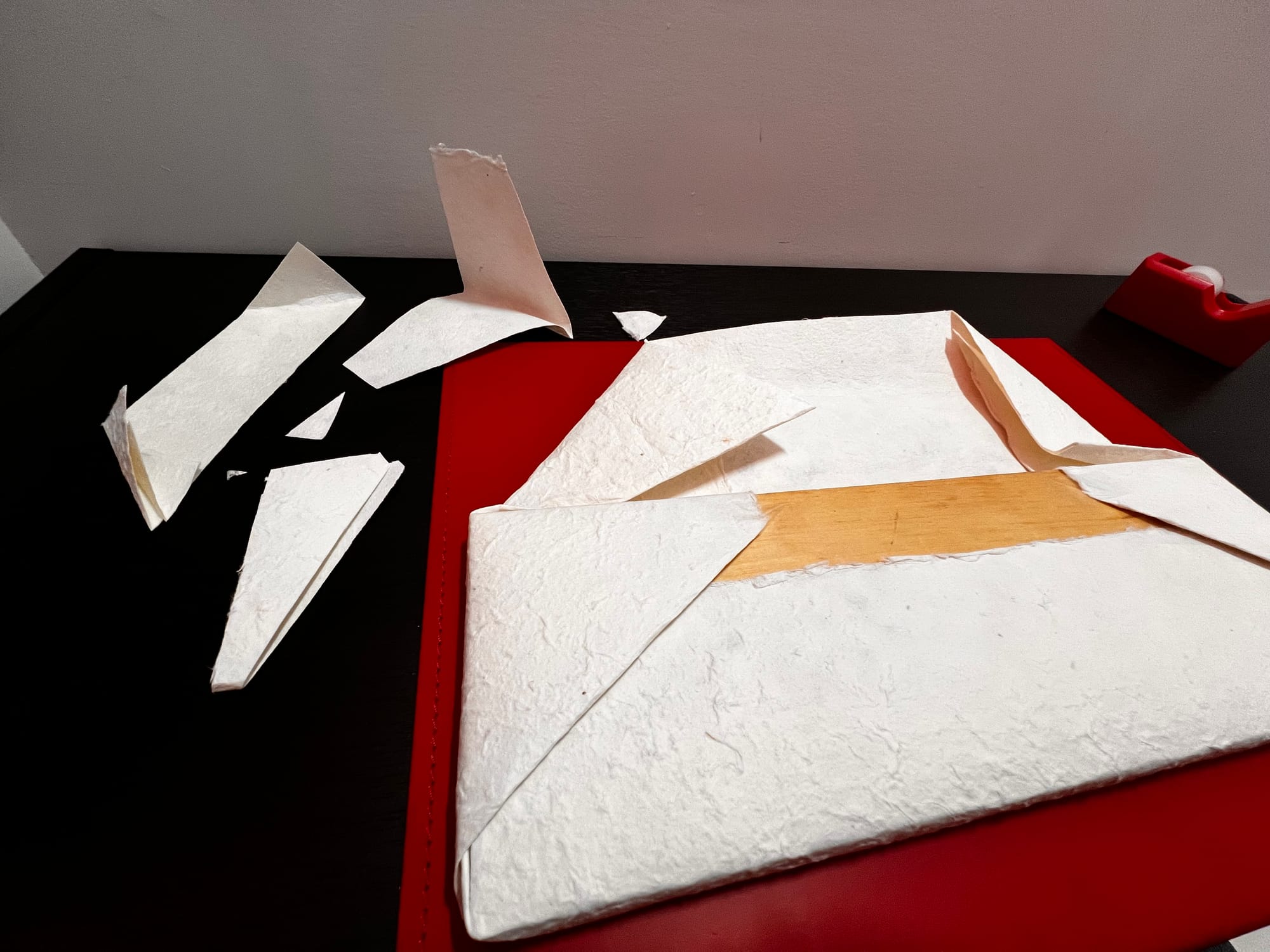
Wrapping the wooden core in washi.
And then finally, the board wrapping is complete, and the edges are either glued down or taped down.
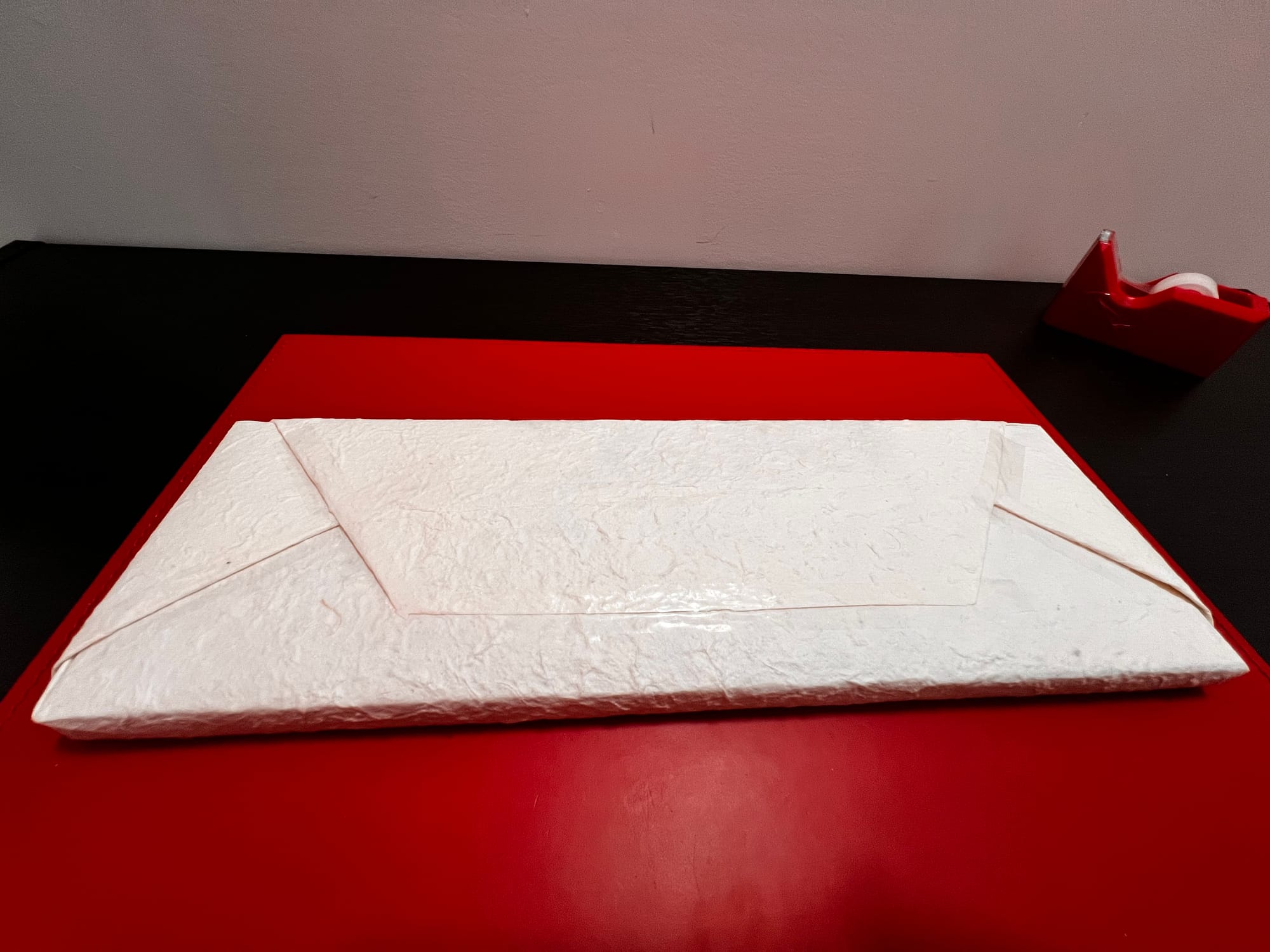
The actual shikishi board is now ready, with the flat and smooth face of the shikishi board prepared for shodo to be produced on it.
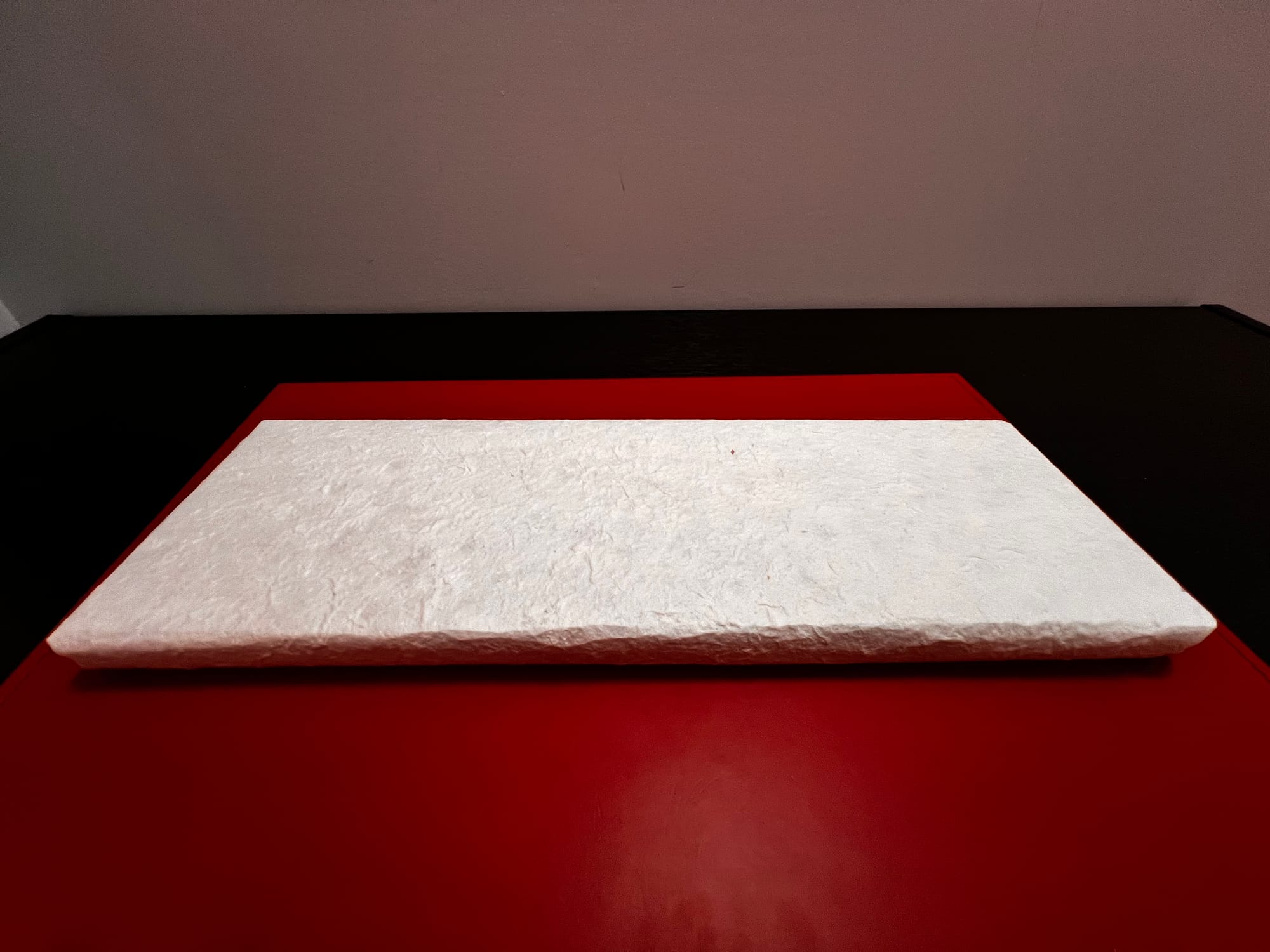
Completing the Shikishi Board
Once the shikishi board itself is ready, shodo can then be put on it. One of the advantages of the type of washi used and the construction of the board is that the shikishi board becomes an ideal surface to accept and absorb the ink and display the delicate and sophisticated brush strokes employed in shodo.
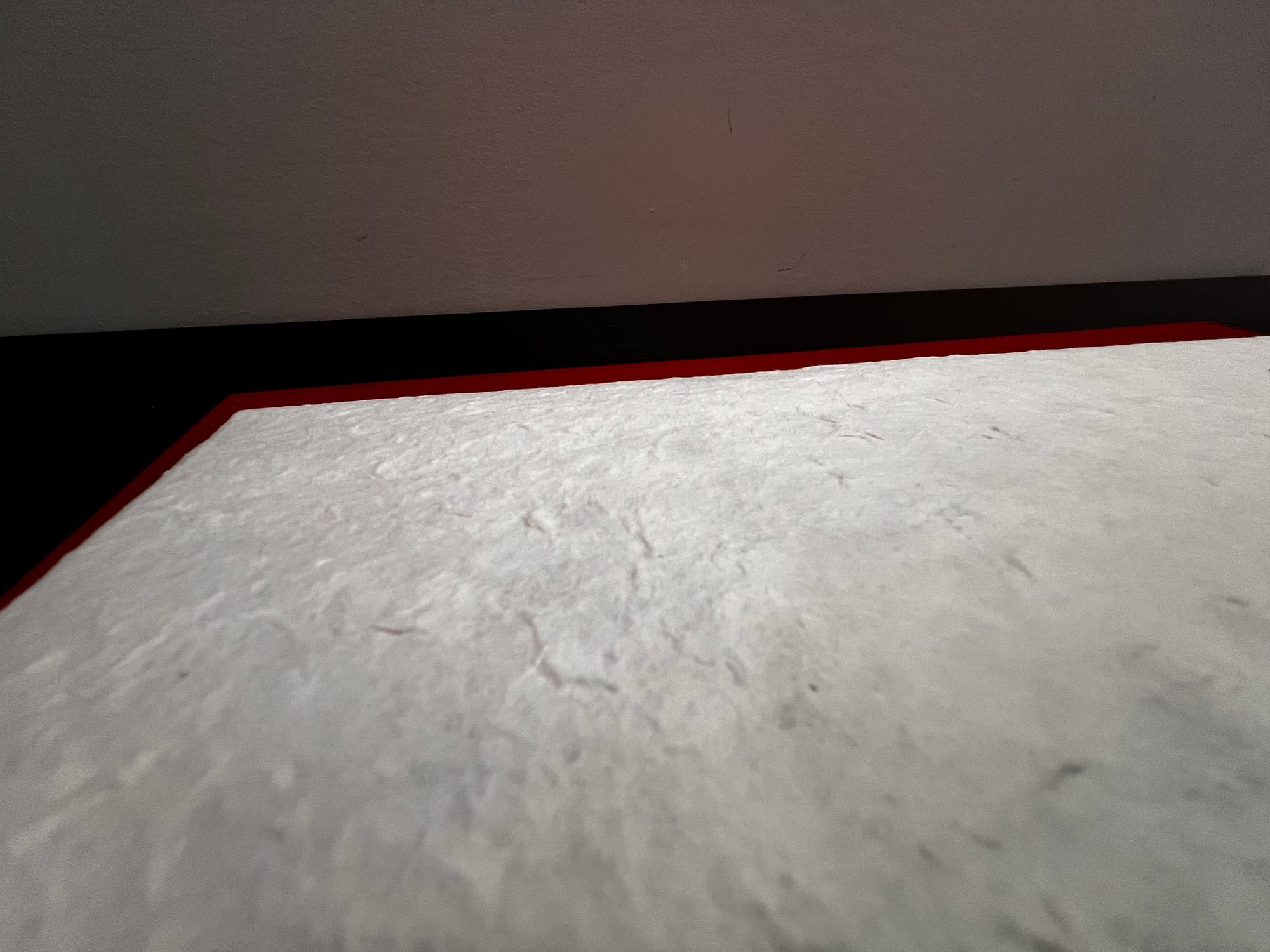
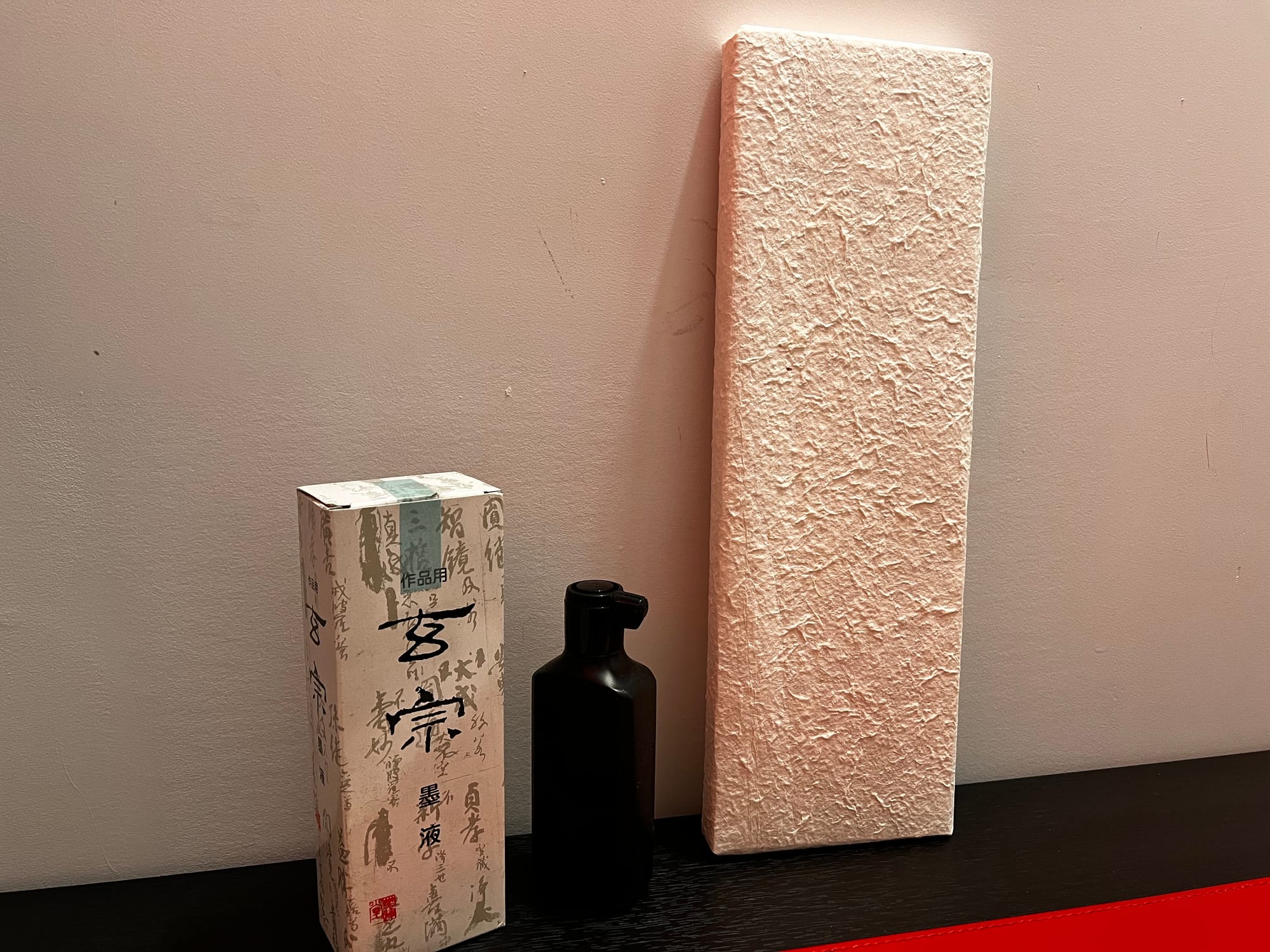
The Final Step
After the shodo is produced on the shikishi board, the board is given a ribbon, string, or wire around the middle.
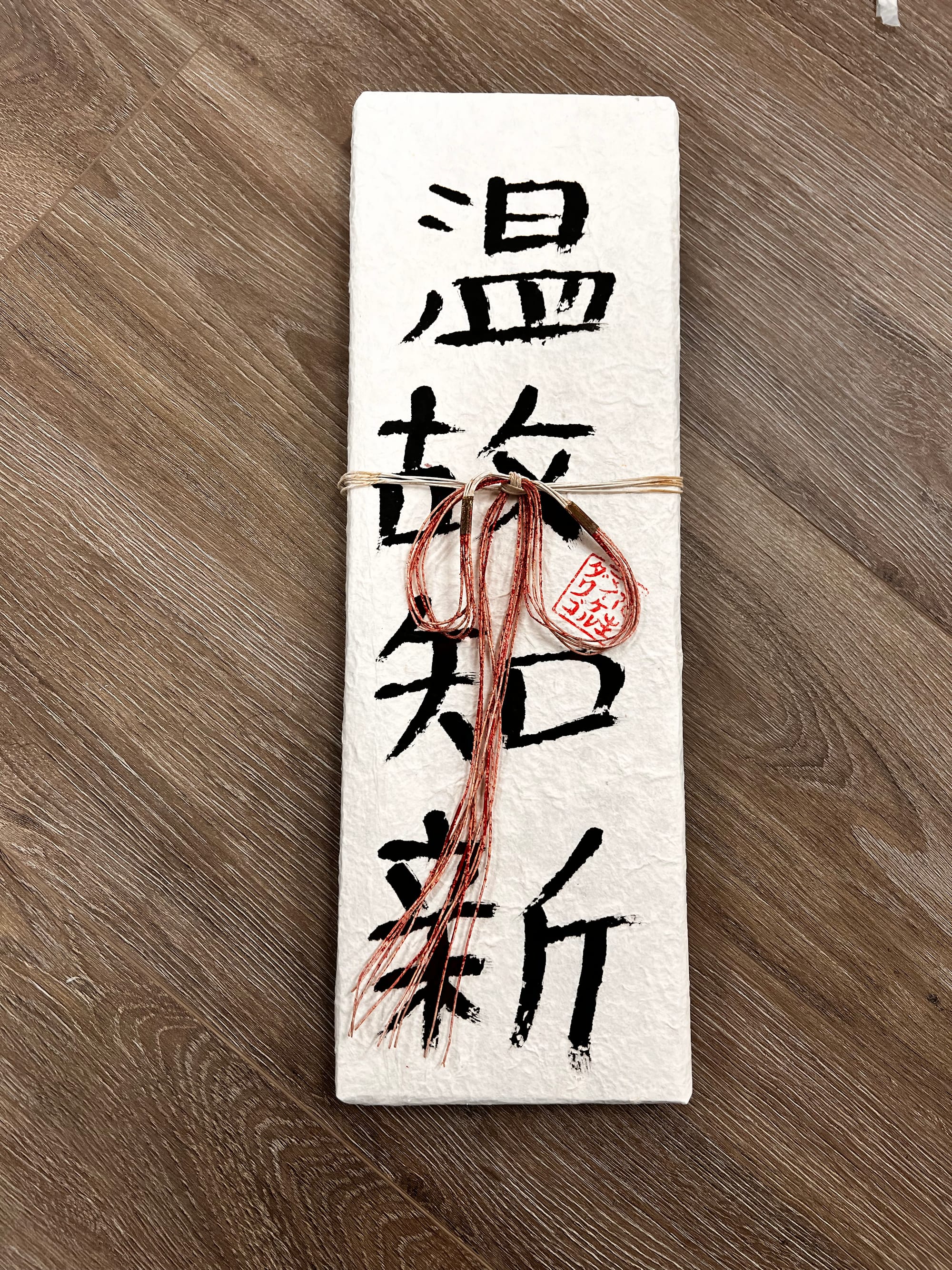
The ribbon or string is used to designate the importance of the message itself. It is not uncommon to display a number of shikishi boards from past Kagami Biraki on the shinzen at a dojo; it can also be quite common to have other pieces of shodo displayed at the dojo, including on the shinzen.
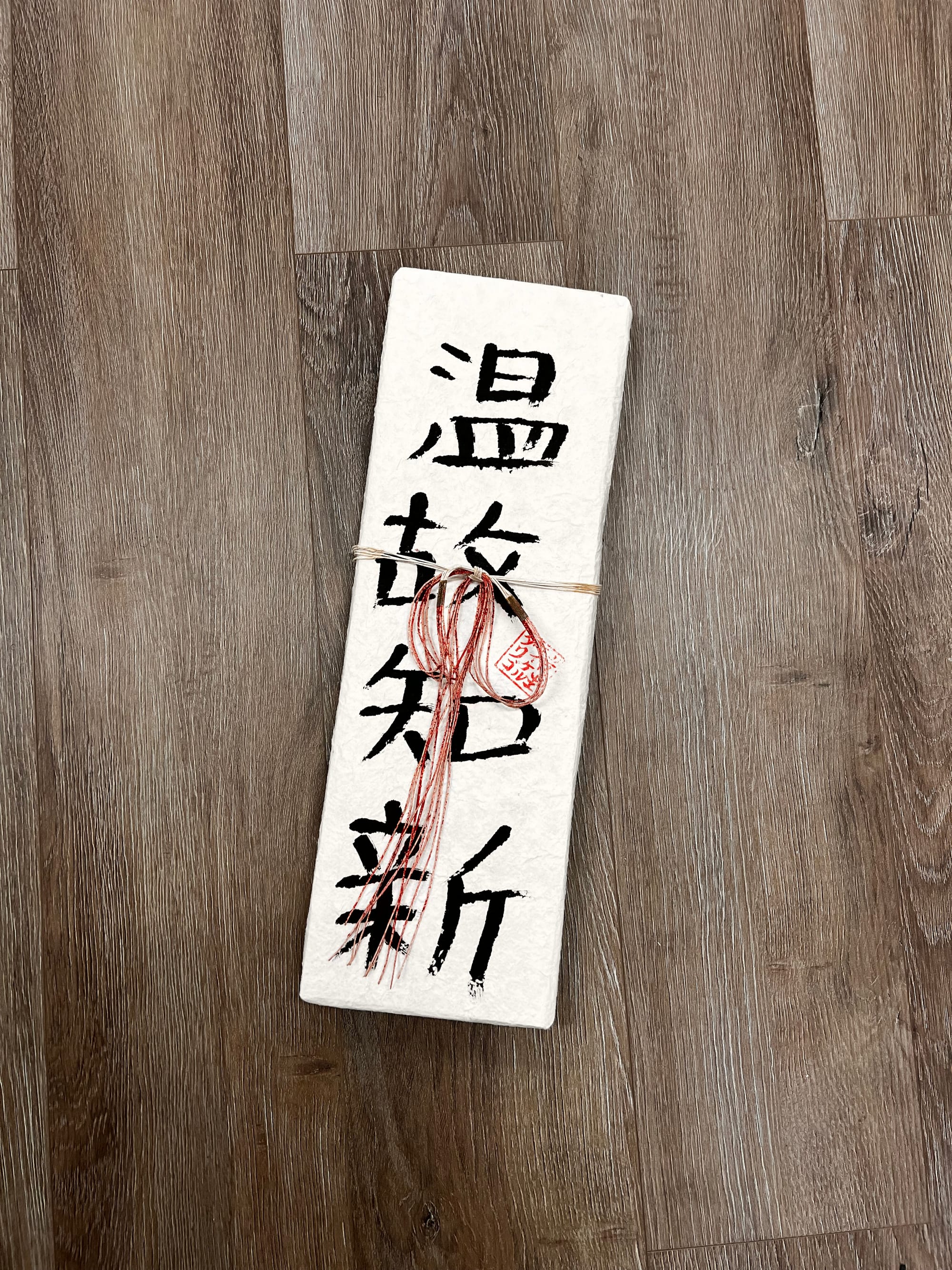
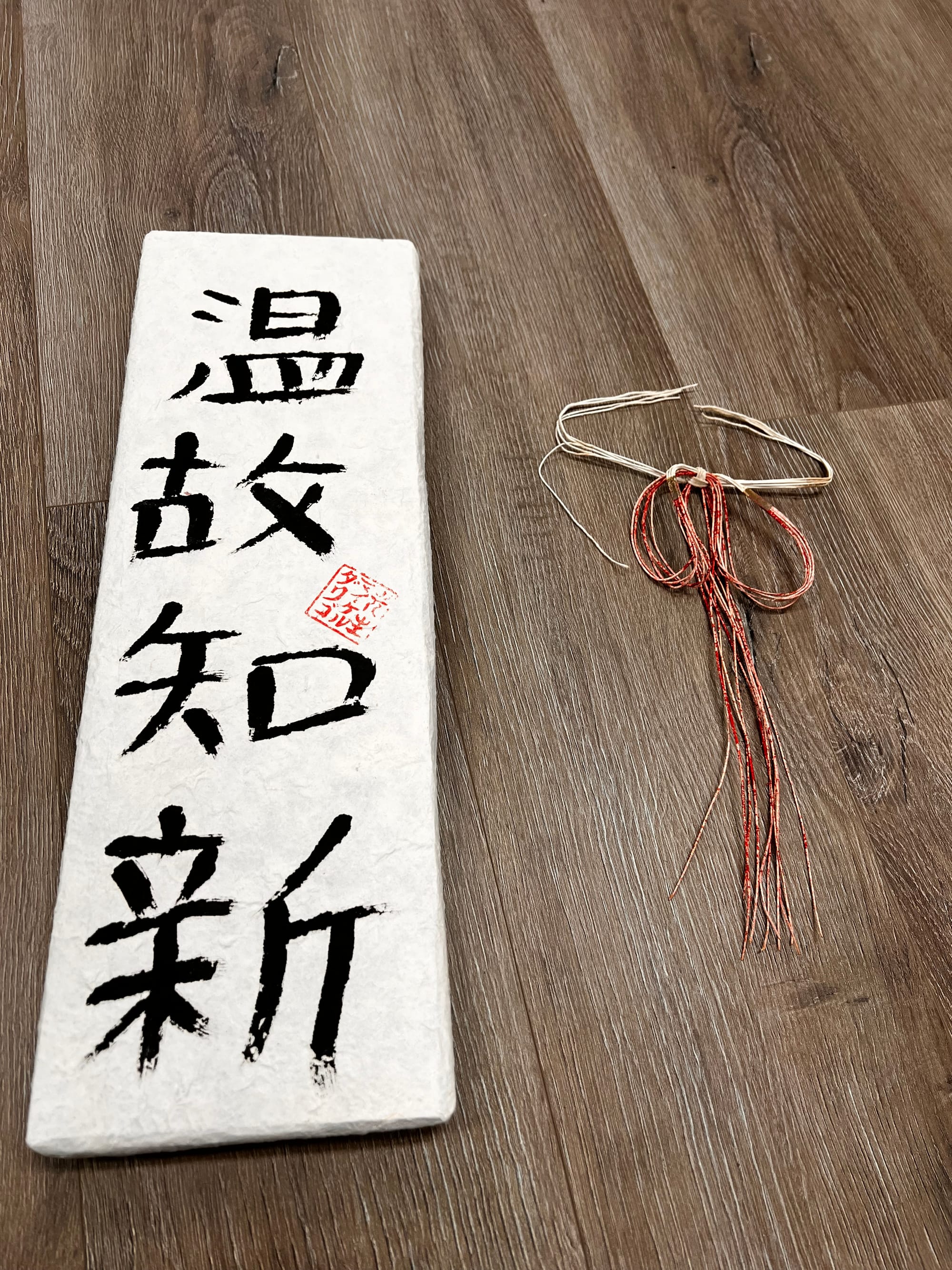
A shikishi board with, and without, its cord.
However, there is only one piece of shodo on the shinzen or at the dojo that has this special cord or string around it. This helps make the message that the shodo conveys prominent and helps it stand-out from all the other shodo on the shinzen.
All of this effort, in the end, is happily performed for a similar reason: the importance of the Kagami Biraki message is significant, and the carefully crafted shikishi board supports that importance.